Radon gas is one of the most unknown health risks and, at the same time, one of the most present in our homes. In Andorra, radon gas represents a particularly relevant threat due to its unique geological characteristics.
From Decomant Group we explain everything you need to know to protect your family.
What is radon gas?
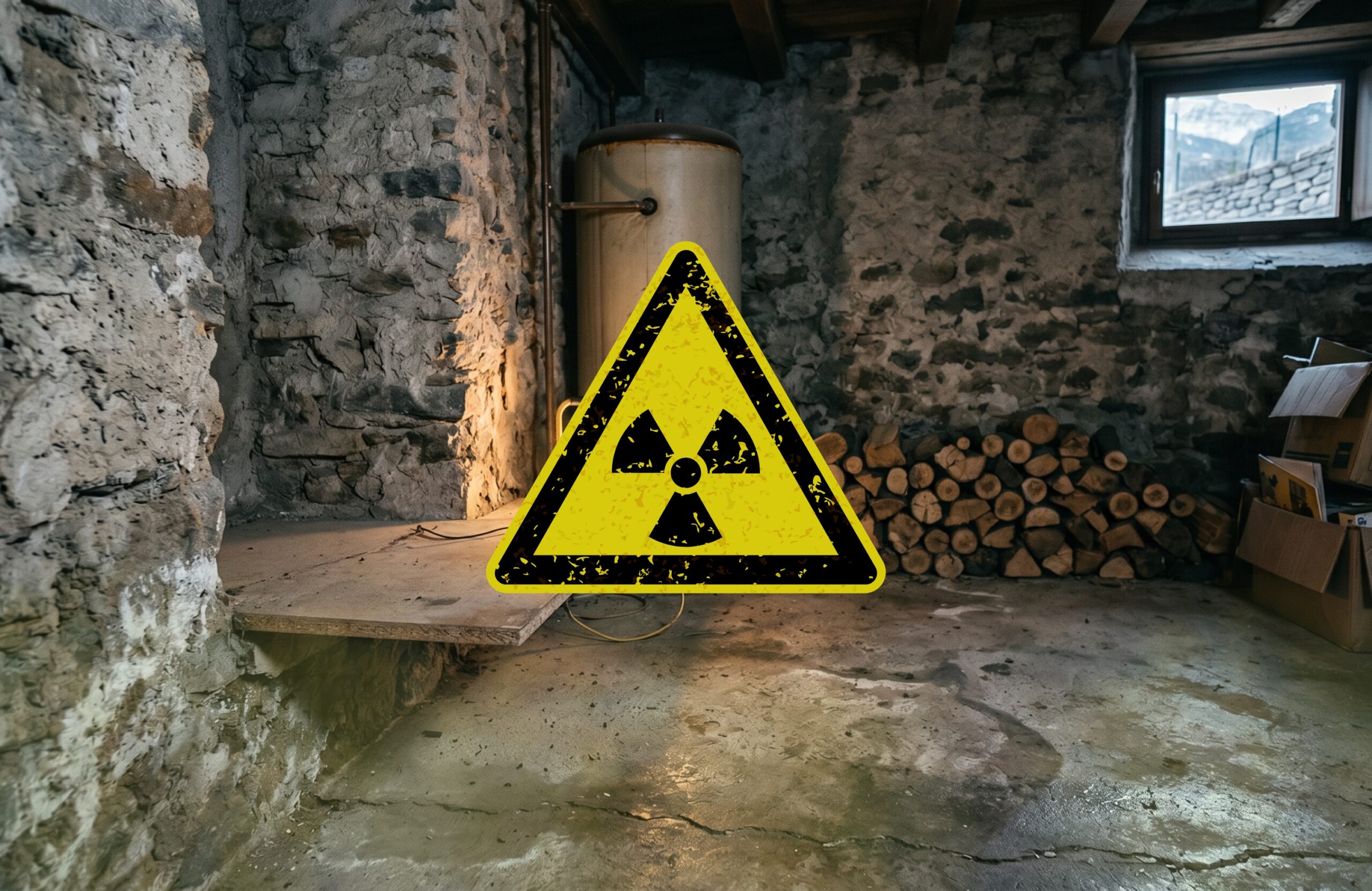
Radon is a naturally occurring radioactive gas, colorless and odorless, generated from the decay of uranium present in soil and rocks. Since it cannot be seen or smelled, it goes completely unnoticed inside homes. According to WHO Handbook on Indoor Radon According to the World Health Organization's radon gas is the second leading cause of lung cancer after smoking, responsible for between 3% and 14% of cases worldwide. A fact we cannot ignore
Why does Andorra have a high risk of radon?
Radon gas in Andorra is a real and documented problem. The Pyrenean territory is largely composed of granites and slates, rocks with high levels of uranium in their composition. Added to this is the country's mountainous orography, which encourages the accumulation of gas inside buildings, especially on ground floors, basements, and spaces with little natural ventilation.
Unlike areas with sedimentary soils, radon concentrations indoors in Andorra can easily exceed the limits recommended by the WHO. If you live or work in the Principality, it is important to know the radon level of your home or premises.
What are the symptoms and risks of radon?
El Radon does not cause immediate symptoms, and that makes it especially dangerous. Prolonged exposure to high concentrations of radon gas significantly increases the risk of developing lung cancer. This risk is even higher for smokers, as the effects of tobacco and radon multiply each other.
The most affected buildings are usually those with poor ventilation, built on granitic soils, or with ground floors and basements in direct contact with the ground—characteristics that are very common in traditional Andorran construction.
How to detect radon gas in your home?
The only way to know for sure if your home has a radon problem is to carry out a measurement using certified detectors. The reference level set by the WHO is 100 Bq/m³ for indoors, although the action limit established in many European countries is 300 Bq/m³.
Don't wait for symptoms to appear. Early detection of radon in Andorra is the best way to prevent risks to your health and that of your loved ones.
What solutions exist for radon gas?
The good news is that the radon problem has a solution. Depending on the levels detected and the characteristics of the building, there are various corrective measures:
Sealing of cracks and fissures: closing the entry points of the gas from the ground into the building.
Improvement of indoor ventilation: increasing air renewal in the most affected spaces significantly reduces radon concentration.
Extraction or pressurization systems: for cases with higher levels, mechanical systems are installed to prevent gas accumulation.
Radon barriers and membranes: preventive solutions especially useful in new builds or renovations.
Every case is different. At Decomant Group we carry out a personalized diagnosis before recommending any intervention, to ensure that the solution is the most effective and tailored to your situation.
Trust Decomant Group's experience
At Decomant Group, we are specialists in air quality solutions and building efficiency in Andorra. If you have any doubts about radon gas in your home, premises, or workplace, we are here to help you. Don't wait for the problem to get worse: prevention is always the best investment to protect your health.
Please contact us if you need more information.